

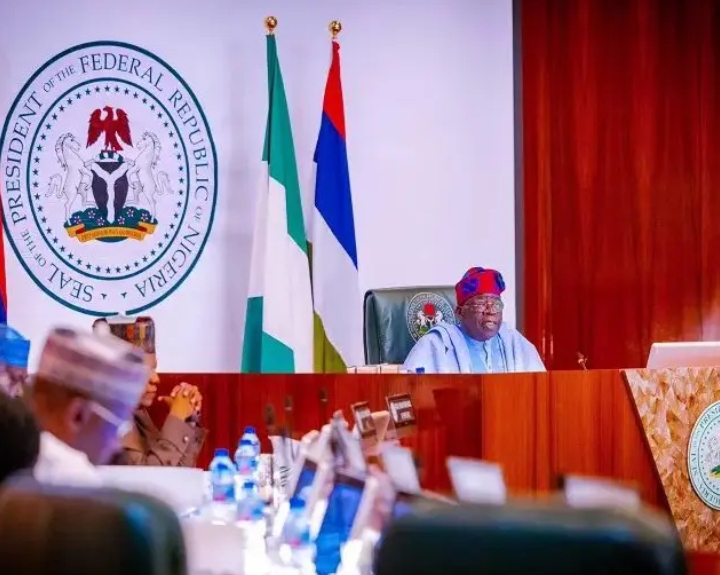
On May 29 that’s yesterday, the nation pauses to reflect on the mid-term mark of President Bola Ahmed Tinubu’s administration.
Two years in, the sweeping economic and structural reforms introduced under his leadership have left Northern Nigeria at a crossroads—grappling with hardship, yet clinging to hope for a better future.
From Northwest to NorthEast, the verdict is not unanimous. While some hail the reforms as forward-thinking and necessary, others feel sidelined by policies they say have only deepened poverty and regional inequality.
Arguably, the most defining policy of Tinubu’s administration was the immediate removal of the fuel subsidy during his inauguration address. Though, experts had called for the removal on numerous occasions and the Buhari administration had already set the stage when Tinubu arrived, it came with intense economic consequences.