

By Sola Kuti
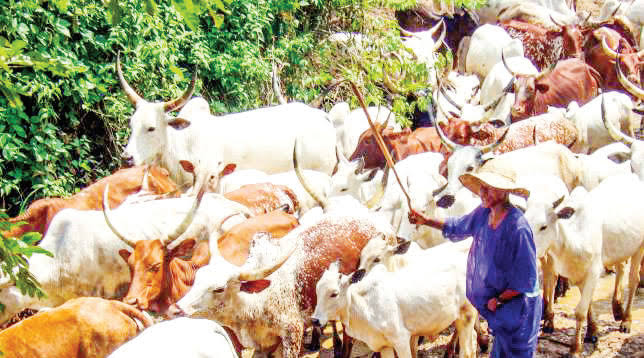
In Benue State, a quiet but significant shift is taking place at the dinner table. Once renowned for its heavy consumption of beef, the state is witnessing a marked decline in demand for cow meat as residents increasingly turn to pork. This change, locals say, is not just about taste but rooted in protest against the relentless attacks and killings linked to armed herders in rural communities.
For decades, beef was a staple in Benue households, but the persistent violence attributed to herders has prompted many to reject the meat altogether. In its place, pork has risen to prominence, transforming from an occasional delicacy into the preferred source of protein for a growing number of families. The surge in demand has, however, driven prices sharply upward, putting the meat out of reach for some who once relied on it as an affordable alternative.
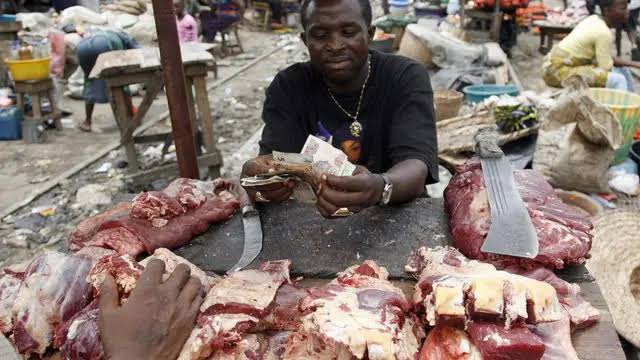
A live pig that used to sell for around ₦10,000 now costs as much as ₦35,000. Pig butchers in Makurdi say they are struggling to meet the overwhelming demand, with limited supply contributing to the price hike. “The steady rise in pork consumption started when herdsmen attacks intensified,” explained Jonathan Aer, a well-known pork seller along Ishaya Bakut Road. “People abandoned beef in protest, and as more joined in, the demand skyrocketed. We sometimes can’t even buy enough pigs to slaughter.”
Restaurant owners are also feeling the pinch. Madam Ngunna Igbaar, who runs an eatery in Makurdi, recalled when pork was considered “the poor man’s meat” because it was cheap and plentiful. Today, she says, portions that once sold for ₦100 or ₦200 now start at ₦500, with smaller cuts hardly worth the trouble. “People say they eat pork so their money won’t support those attacking our communities,” she noted. “It’s a matter of principle for many, but the price is hurting the poor who’ve eaten pork for years.”
The movement has grown into what some describe as an unspoken boycott of beef, with residents openly persuading others to follow suit. While the economic consequences are undeniable, especially for low-income households, many see the choice as a necessary statement against violence. In the words of one restaurant customer, “I will never eat beef again because the money will end up in the hands of those destroying our villages.”
In Benue, the slogan “No to beef” may soon be more than a sentiment — it could become a rallying cry for a community determined to resist through its own eating habits.

