
By Ngozi Umeokonkwo, Awka
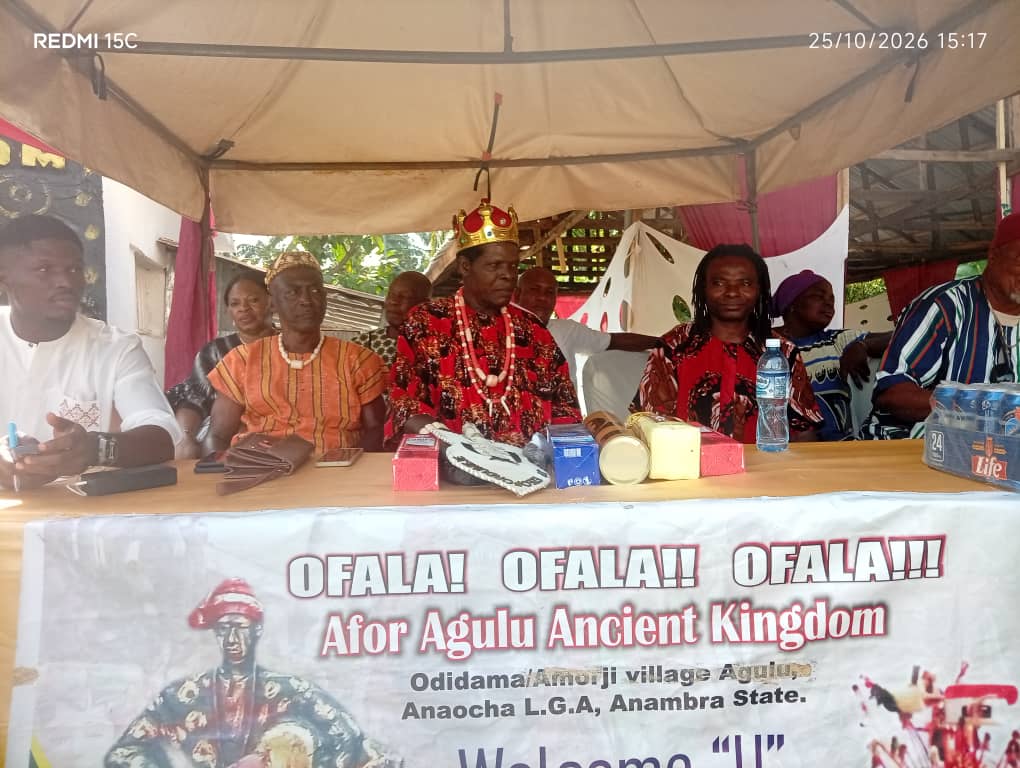
The Afor Agulu Ancient Kingdom in Agulu, Anaocha Local Government Area of Anambra State, has celebrated its annual festival, bringing together traditional worshippers, community stakeholders and members of the public to honour the ancestral heritage of Agulu and promote the values of peace, truth, healing and justice.
The festival, held at Afor-Ochie Square, Agulu, was led by the Chief Priest of Afor Agulu, Chief Ezeofordumeje Uchegbusi (JP), popularly known as Dim-Ebube Igbo and spiritual director of Ozoigbondu. The celebration highlighted the cultural significance of the Afor Ochie deity, which adherents associate with business prosperity, healing, the defence of the oppressed and the pursuit of truth.
The event also featured several side attractions that added colour and excitement to the celebration, including cultural group dances, masquerade performances and other traditional displays.These performances showcased the rich cultural heritage of Agulu, entertained attendees and provided an opportunity for the younger generation to appreciate and connect with the community’s customs and traditions.
Speaking during the event, Chief Ezeofordumeje described himself as a traditionalist from Amaoji Agulu who believes in serving humanity through the spiritual heritage of his ancestors. He said his involvement in traditional practice was a calling rather than a personal ambition, adding that his work includes herbal healing, spiritual consultations and helping people seek solutions to their problems.
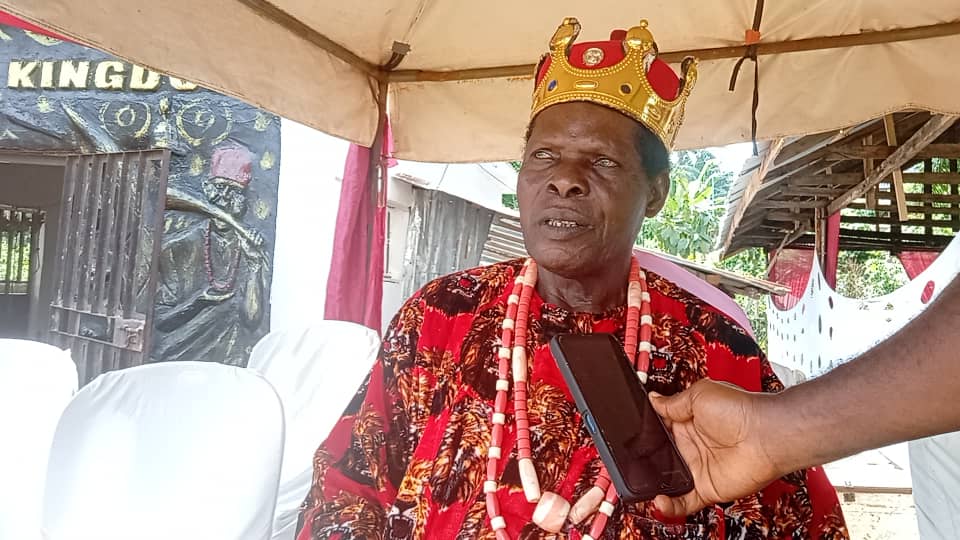
He also disclosed that he works as an area manager with a West African drug company in Lagos, stressing that his commitment to traditional service is guided by his belief in doing good and avoiding evil.
According to the chief priest, Afor Agulu Ancient Kingdom holds a special place in the history and ancestral identity of Agulu. He described the site, situated between Odida-Ama and Amaoji, as a place of remembrance for the community’s forefathers and a symbol of its cultural heritage.
He said the traditions associated with the shrine emphasise truth, peace and the resolution of disputes, noting that community members traditionally bring certain matters before the elders and traditional authorities for settlement in accordance with their customs.
Chief Ezeofordumeje further explained that the festival provides an opportunity for people to reconnect with their roots, seek peace and reflect on the values handed down by their ancestors. He expressed appreciation to everyone who attended the celebration and offered prayers for their wellbeing, expressing hope that those who came with personal challenges would find relief, those seeking healing would receive help, and all participants would experience success and peace.
Also speaking, Mazi Tochukwu Okafor, General Secretary of Omenani Ebetete Agulu, described Afor Ochie as an important traditional meeting place where matters concerning Omenani and the community are discussed. He explained that Omenani represents the customs, values and principles inherited from the ancestors, which guide how individuals conduct themselves and how communities manage their affairs.
Okafor said the essence of Omenani is to promote good conduct, justice, peaceful coexistence and service to humanity. He stressed that the traditional institution should be understood as a framework for responsible living and community development, rather than a platform for harmful practices. He called on people to respect the values of their ancestors and uphold the principles that promote unity and social harmony.
Speaking further, Okafor reflected on the traditional understanding of Agwu, which he associated with light, healing, open doors and peace. Drawing an illustration from the biblical account of creation, he referred to the Spirit of God moving upon the waters before the declaration, “Let there be light.” He used the illustration to discuss the symbolic importance of water and spirituality, arguing that traditional practices should not automatically be condemned without understanding their cultural context.
The Omenani Ebetete Agulu secretary, however, cautioned against individuals who allegedly use the name of Omenani to promote harmful or occult practices. He urged the public to be discerning and encouraged practitioners to remain faithful to the customs and ethical principles of the land, which he said reject wrongdoing and encourage responsible conduct.
The annual Afor Ochie festival serves as a reminder of the continuing place of traditional institutions in preserving cultural identity, strengthening community bonds and passing ancestral knowledge to younger generations. With cultural dances, masquerade displays and other traditional activities complementing the spiritual observance, the celebration provided a platform for cultural expression, community interaction and the promotion of Agulu’s ancestral heritage.
Participants were encouraged to uphold peace, truth, justice and mutual respect as essential values for the continued unity and development of Agulu.