


By Chris Chikelue
The Chairman, Anambra State Disability Rights Commission, Barr. Chukwuka Ezewuzie, has lamented the continuous stigmatization of members and the inaccessibility of public institutions seven years after the enactment of Disability Rights Law in the State.
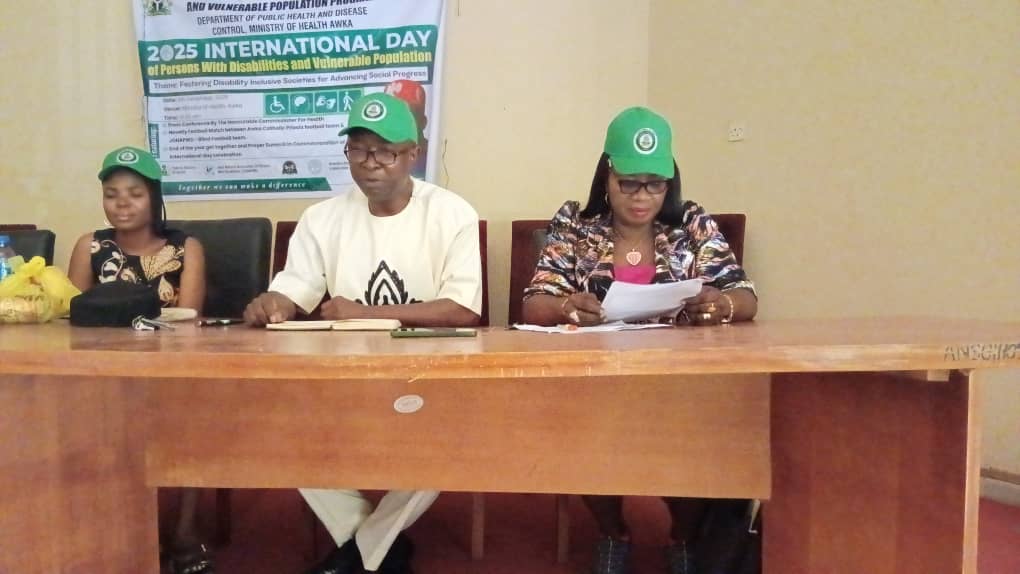
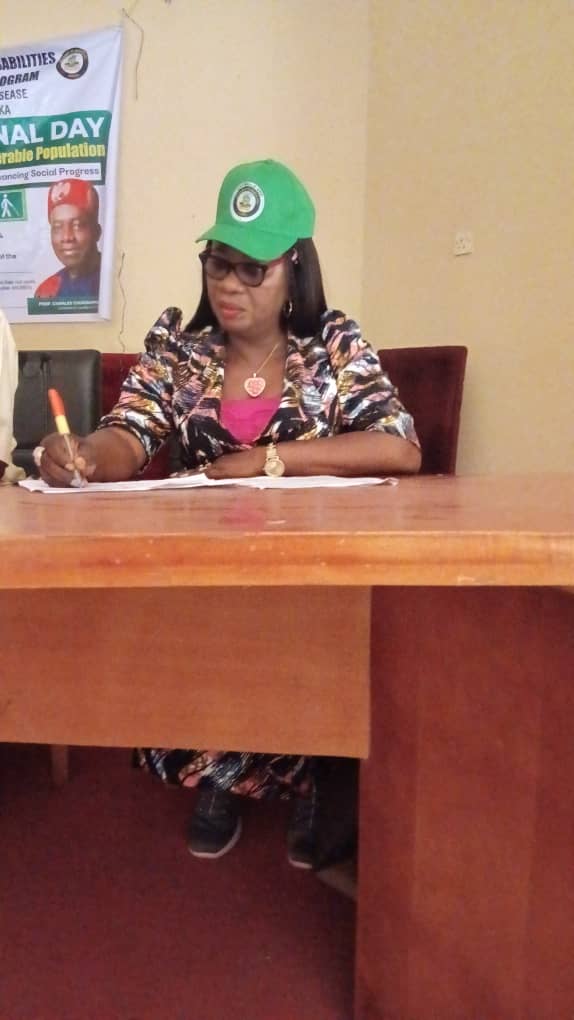
Barr. Ezewuzie made the observations as Anambra state joined the World to commemorate the 2025 International Day of Persons with Disability and Vulnerable Population on December 3 in Awka.
The Anambra State Disability Rights Law was passed and assented to under the administration of Governor Willie Obiano in 2018 following the requests from the State Disability Rights Commission.
Despite this administrative achievement, the Chairman, Anambra State Disability Rights Commission, Barr. Ezewuzie, at a press conference to mark the day, lamented that many facilities, including schools, hospitals, and government offices are not wheelchair accessible, making it difficult for their members to access those facilities.
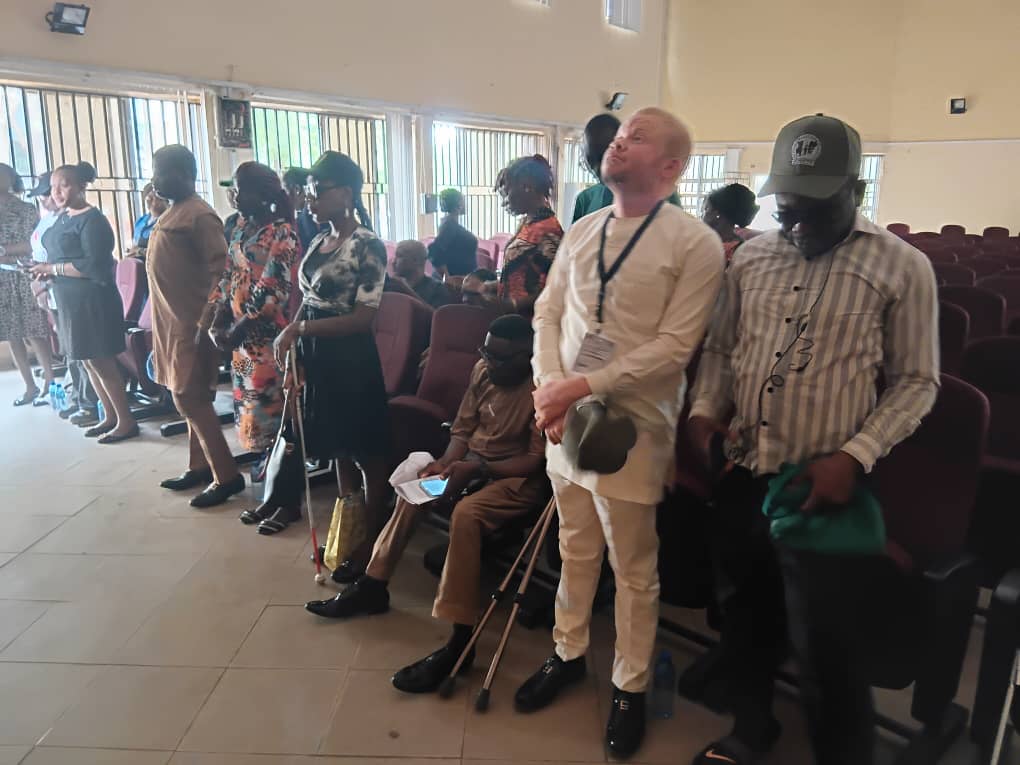
“Our Accessibility audit research of the MDA’s in Anambra State, sponsored by ROLAC, our development partner, reveals that persons with disabilities in the state face numerous challenges, including limited access to public buildings, roads, transportation, healthcare, education, and employment opportunities.
“Persons with disabilities often face social exclusion, stigma, and discrimination, limiting their access to education, employment, and healthcare.
“Limited Economic Opportunities: People with disabilities have limited access to employment, entrepreneurship, and economic empowerment opportunities despite the existence of the Anambra State Disability Rights Law, implementation and enforcement remain a challenge.
“Some of the steps towards addressing the challenges are to develop an action plan for implementation inclusive of education policies, providing accessible infrastructure, and training teachers to support students with disabilities.
“Ensure public buildings, roads, and transportation systems are accessible to people with disabilities; support entrepreneurship, employment and skills development for persons with disabilities; and advocate for Policy Change.
“Collaborate with government agencies, Civil Society Organizations and development partners to promote disability-inclusive policies and programs”, he said.
“The commission plans to improve the lives of PWDs through establishment of Access Market Pavilion, a cooperative society and credit facility for entrepreneurs with disabilities to promote economic empowerment.
“A centre to address educational, psychological and social needs of children and parents of children with disabilities, in partnership with RoLAC.
“This is with a view to improving and increasing school enrollment for children with disabilities. Appointment of liaison officers in local government areas, communities and wards to oversee welfare of persons with disabilities.
“Enforcement of accessibility requirements in public and private structural facilities, parking lots, and building plans.”Commemoration of the day with leadership and advocacy campaigns, tours of special education centers and seminars on disability-focused investment opportunities.
“Provision of free legal assistance to persons with disabilities through ROLAC specially trained lawyers.”These plans aim to promote inclusion, accessibility, and economic empowerment for persons with disabilities in Anambra State.
The commission is working to ensure that persons with disabilities are included in all aspects of social, educational, and economic life of the society. “In spite of the enormous challenges facing the operations of the commission, the impact of these plans on the disability community will be revolutionary and life transforming,” he added.
He, therefore, appealed to the government to help facilitate all enumerated so as to better the living standard of People Living with different disabilities and Vulnerable Population.
