
Anambra Residents Protest Outrageous Electricity Bills, Power Outage, Call For Government’s Intervention
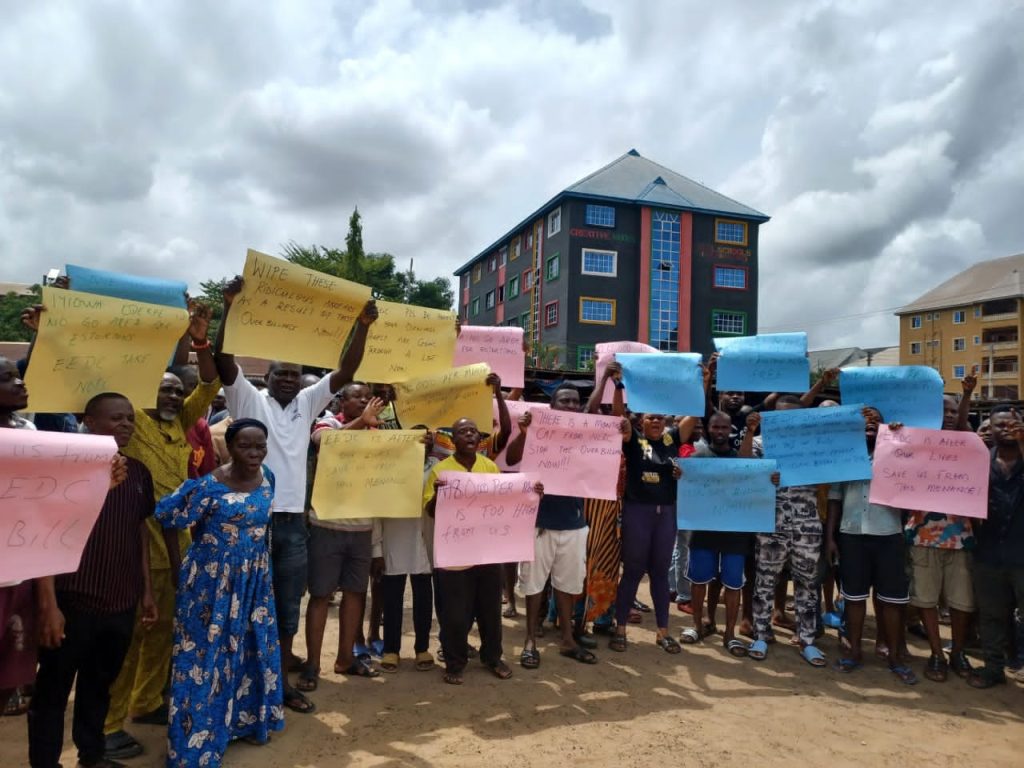
Residents of Iyiowa Community in Ogbaru LGA of Anambra State have taken to the streets to protest outrageous bills by the Enugu Electricity Distribution Company (EEDC), accusing the company of prolonged disconnection and unfair billing practices.
The aggrieved residents, led by the Iyiowa Community Landlords and Residents Association, lamented that they have been without electricity for over a month due to what they describe as a punitive and unjust disconnection by the EEDC.
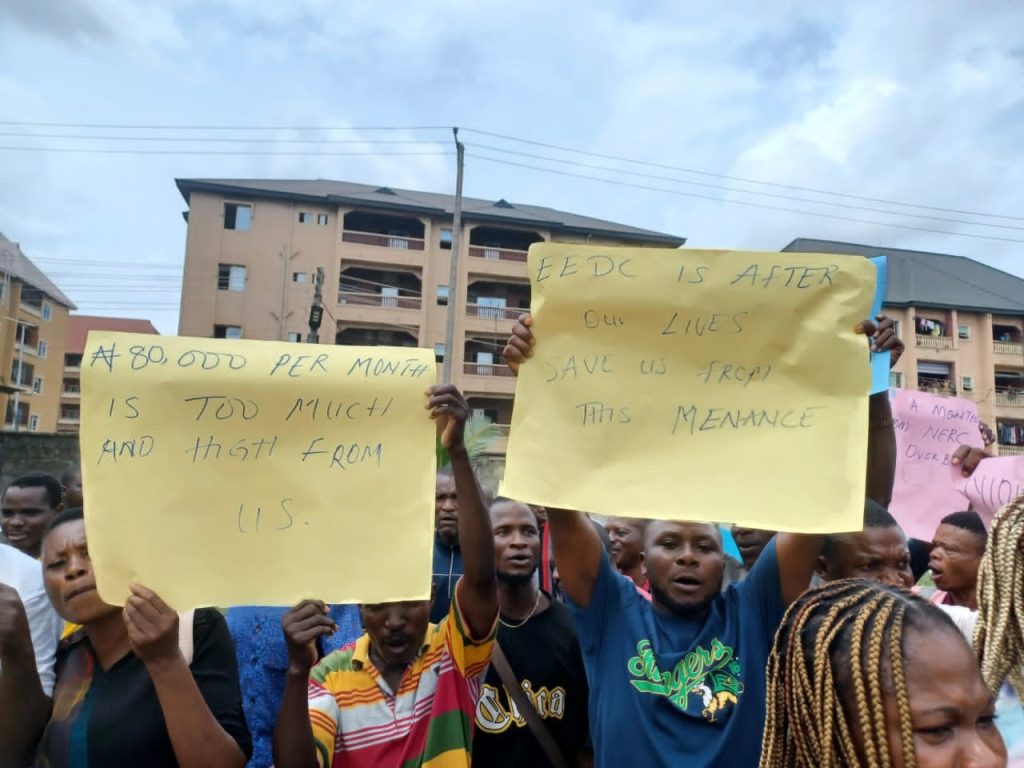
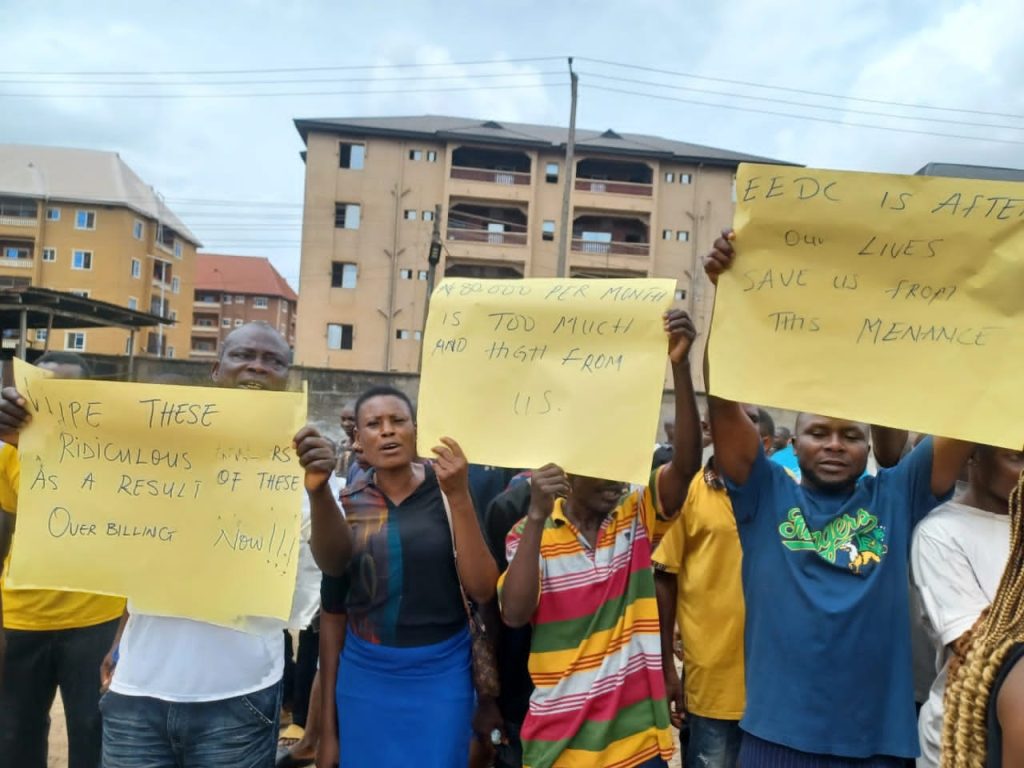
The protest has brought to the fore growing concerns over electricity distribution and consumer rights, highlighting the need for urgent government intervention.
They complained that the situation has crippled both household and economic activities in the area, with businesses unable to operate and residents forced to endure days and nights in darkness.
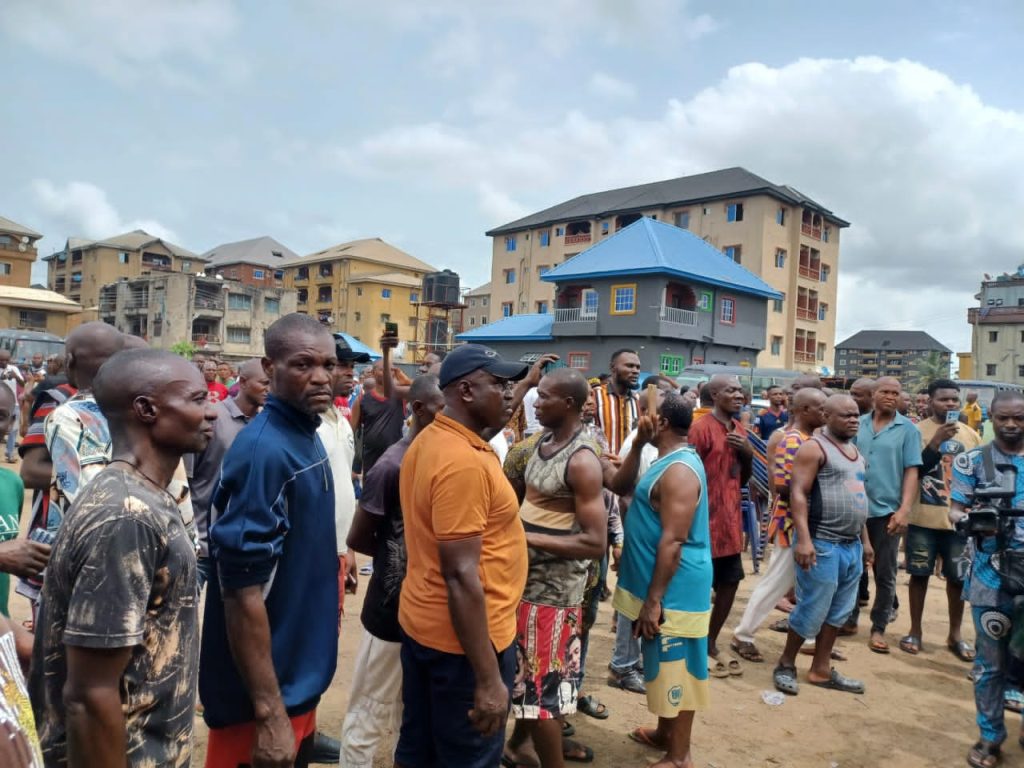
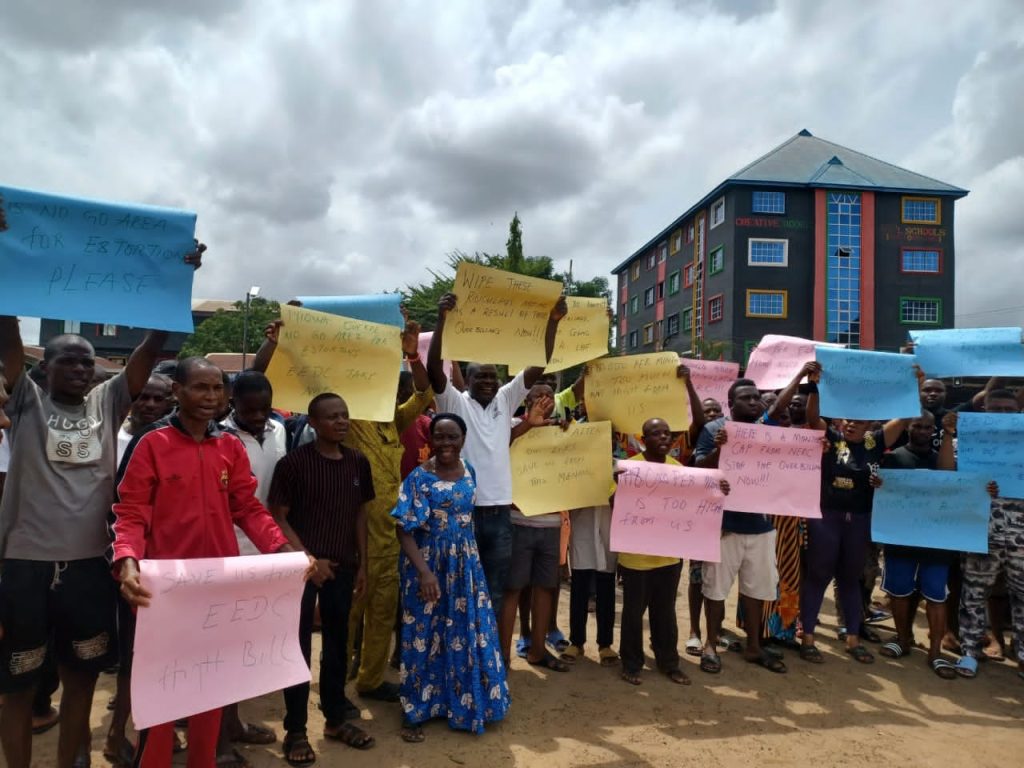
In his submission, the Chairman of the Association, Chief Sunday Obinze, declared that the disconnection affected even those with prepaid meters, a move he termed “oppressive and unlawful.” “Over 80 percent of residents here use prepaid meters. How can they say we are owing?” he asked, calling on the government and regulatory bodies to come to their aid.
Also commenting, the Secretary of the Association, Dr. Chinonso Okolie, said the community had initially approached the EEDC to question the high estimated bills for those without meters. He said that rather. than address their grievances, EEDC reportedly cut off power in the entire area, claiming collective debt.
“This is not just about electricity; it’s about respect for citizens’ rights,” said Mr. Ugochukwu Ugwueje, one of the protesters. “We’ve endured this for more than 15 years. This protest is long overdue.”
The situation in Iyiowa paints a troubling picture for both citizens and government. For the residents, the issue underscores a broader pattern of power sector neglect and poor service delivery. For the government, especially at the state and federal levels, it is a test of regulatory oversight and public trust in utility governance.