

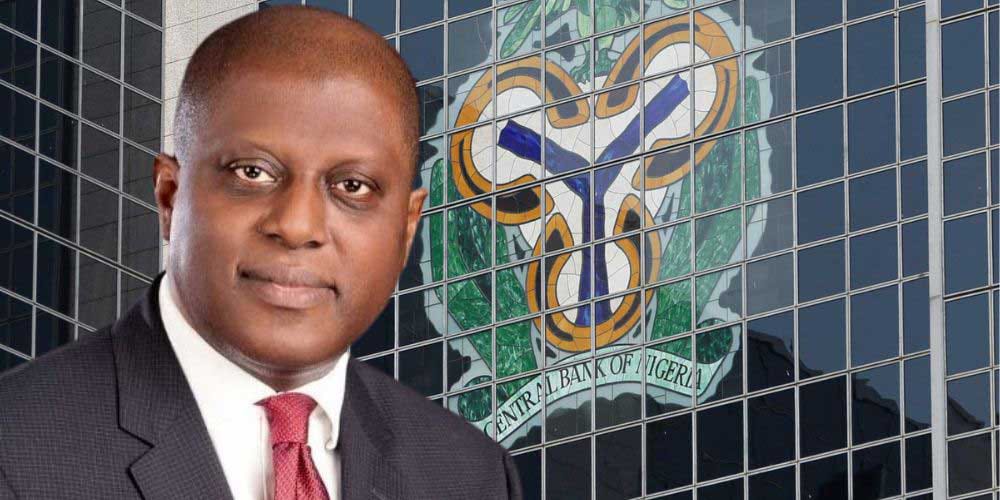
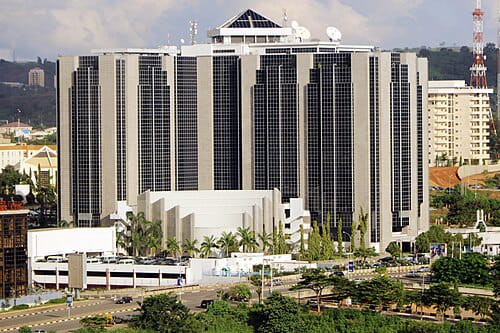

The Central Bank of Nigeria (CBN) has warned Nigerians against keeping money mistakenly transferred into their bank accounts.
The CBN Governor, Olayemi Cardoso, who gave the warning in a message to a stakeholders’ meeting under the bank’s CBN Listens Programme at Jogor Event Centre in Ibadan, Oyo State, on Thursday. , saying offenders risk between five and 10 years’ imprisonment.
The CBN Governor represented by Hakama Sidi Ali, also cautioned bank customers against sharing personal and financial details with fraudsters, warning that fraudulently obtaining another person’s account information attracts severe penalties.
“A customer who fails to refund wrongly deposited money to the rightful owner attracts 5-10 years’ imprisonment,” Cardoso said.
He pointed out that the CBN Listens Programme provides an opportunity for the apex bank to engage stakeholders, explain its policies, address misconceptions and receive feedback on ways to improve the financial system.
Cardoso informed that the bank had introduced several reforms in recent years to strengthen financial stability, promote transparency, expand financial inclusion and support sustainable economic growth.
According to him, among the initiatives were the non-resident Bank Verification Number (BVN) for Nigerians living abroad, reforms in foreign exchange trading and the Nigerian Payments System Vision 2028.
He also listed the introduction of the Nigerian Overnight Financial Rate as part of the bank’s efforts to improve the financial system.
Cardoso further reminded bank customers that they could escalate complaints when their financial institutions failed to address their grievances.
He advised customers to contact the Director of the CBN’s Consumer Protection and Financial Inclusion Department if their banks failed to acknowledge complaints within three days.
Customers can also obtain a tracking number to escalate complaints that remain unresolved beyond the timelines stipulated by the Consumer Protection Regulation.
The CBN said the complaint channels enable customers to seek redress when banks fail to respond appropriately to their concerns.