

Controversy has enveloped a $150bn Samoa trade deal signed by the Federal Government of Nigeria with the European Union.
Last November, the European Union, its 27 member states and 79 member states of the Organisation of African, Caribbean and Pacific States (OACPS) signed an agreement in Apia, the capital of the Pacific island country of Samoa. Hence, it was referred to as the ‘Samoa Agreement’.
With the new agreement which succeeded the Cotonou Agreement, the parties are expected to be better equipped to address emerging needs and global challenges, such as climate change, ocean governance, migration, health, peace and security.
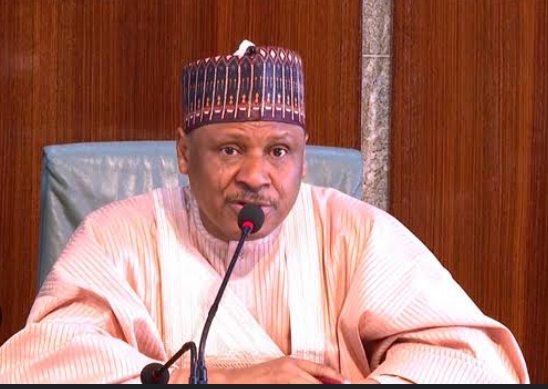
Nigeria signed the agreement on June 28, 2024, but it became public knowledge this week after a disclosure by the Minister of Budget and Economic Planning, Atiku Bagudu.
The disclosure about the Samoa deal sparked a barrage of reactions online with many opposing what they believed was a recognition of the Lesbian, Gay, Bisexual, and Transgender (LGBT) rights, which is contrary to the laws of the land. In 2014, then President Goodluck Jonathan assented to a bill outlawing same-sex marriages and gay relationships, making LGBT unacceptable and unlawful in Nigeria.
A former lawmaker Shehu Sani, in a post on X, said that African states should not accept loans or grants from any country, group of countries or international institutions that came with demonic conditions antithetical to Africa’s culture, religious faiths and values.
He also added that all African countries including Nigeria who appended their signatures should go back and ‘unsign’ the Samoa agreement.
