


Ade Olu
Emma Elekwa
National Tuberculosis, Leprosy and Buruli Ulcer Control Programme (NTBLCP) has refuted the destructive, poisonous myths surrounding Buruli ulcer in Nigeria.
The body clarified that the disease, popularly known enyi ure or ure okpa in Southeast treatable bacterial infection, not the result of witchcraft, sorcery, or divine punishment as erroneously believed
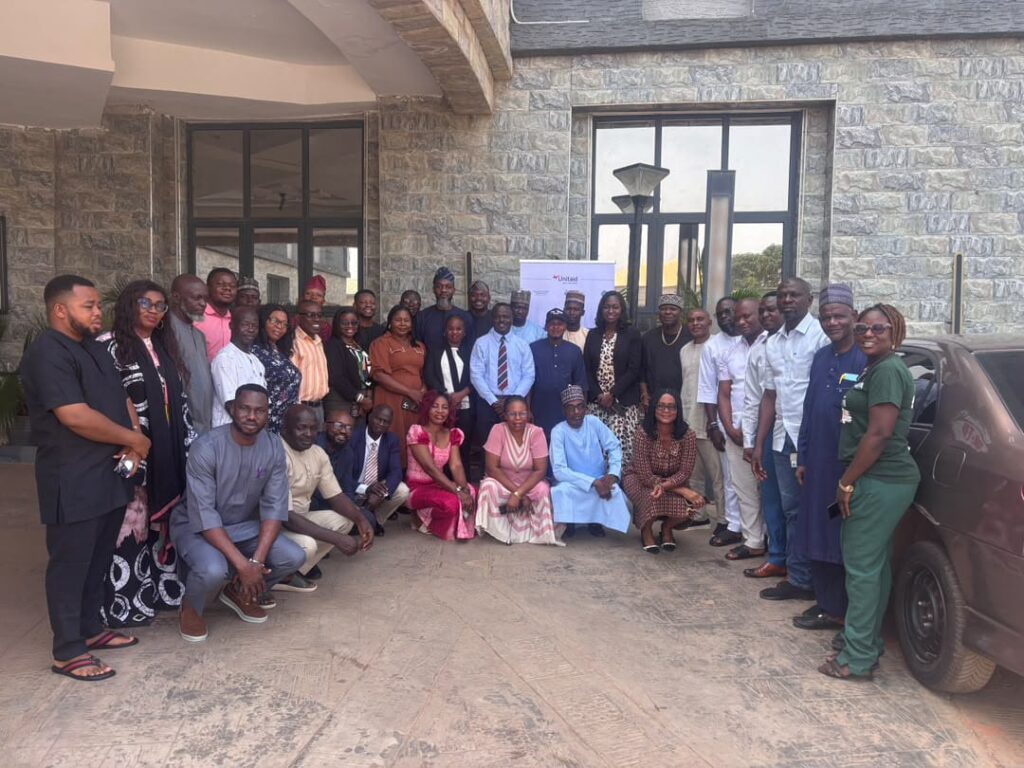
Speaking during a 3-day training of 24 local journalists in the Federal Capital Territory by Civil Society for the Eradication of Tuberculosis in Nigeria (TB Network), Acting National Coordinator, NTBLCP, Clement Adesigbin said the disease is preventable and treatable.
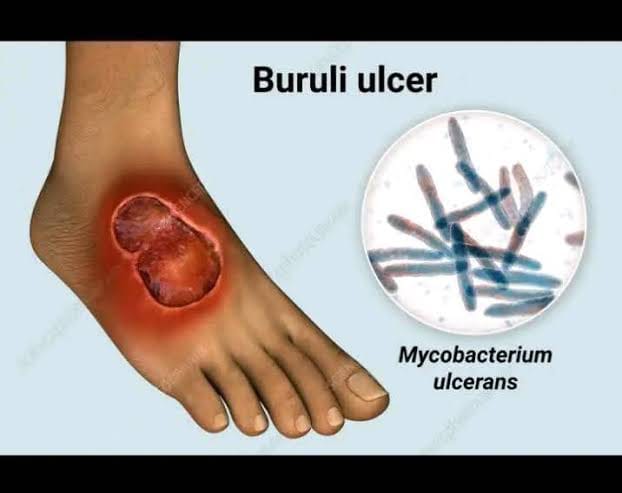
He said, “Buruli ulcer is a serious, chronic skin and tissue disease caused by Mycobacterium ulcerans.
“It should be suspected when a person develops an ulcer that persists for weeks or months.
“It is commonly found in riverine communities where people have limited access to safe water, including pipe-borne water, wells and boreholes.
“Due to reliance on rivers for domestic water, many are exposed to possible infection.
“The disease may begin with skin rashes or lesions that may not itch. But when scratched, the affected area may enlarge and develop into an ulcer.”
Adesigbin however regretted delay in seeking appropriate medical care by those who mistake the condition for minor skin problem, saying such could move from progressive infection to massive, flesh-eating open wounds, as well as severe tissue destruction, social stigma and permanent disability.
Mistake and superstition
“Because Buruli ulcer initially manifests as a painless lump or swelling (often mistaken for an innocent insect bite), deep-seated superstitions lead many victims in rural communities to blame supernatural forces or snakebites.
“These misconceptions cause critical delays, driving patients to traditional healers rather than formal medical clinics.
“By the time medical help is sought, the infection has often progressed to massive flesh and bone-eating open wounds, resulting in severe tissue destruction, social stigma, and permanent disability.
“Buruli ulcer can also affect the bones and cause serious complications, including limb deformities and contractures of the hands and other affected parts of the body if left untreated,” he said.
Adesigbin further expressed joy over successful recovery of several patients through appropriate treatment occasioned by provisions of a combination of antibiotics by government health facilities, including Primary Health Centres,
“Media awareness is important in promoting early detection and treatment.
“Providing accurate information can encourage affected persons and their families to seek medical attention promptly, access free treatment and prevent complications,” he added.
Also speaking, one of the facilitators, Dr Adebayo Ekosanmi explained that the disease affects people of different ages, including children under 15, and commonly affects the limbs, particularly the lower limbs.
He said t is associated with people living or working near rivers and slow-moving water bodies, including farmers, although its exact transmission remains under investigation.
“Buruli ulcer may present as nodules, plaques, swelling or ulcers. Severe cases can cause deeper tissue damage, including osteomyelitis, a bone infection,” he explained.