


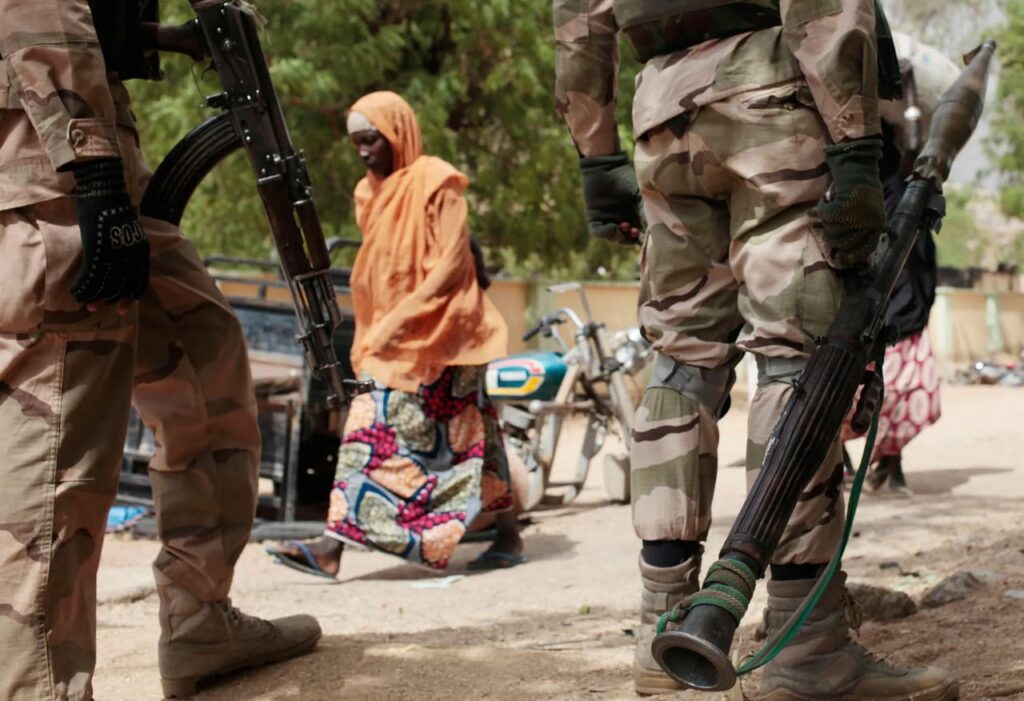
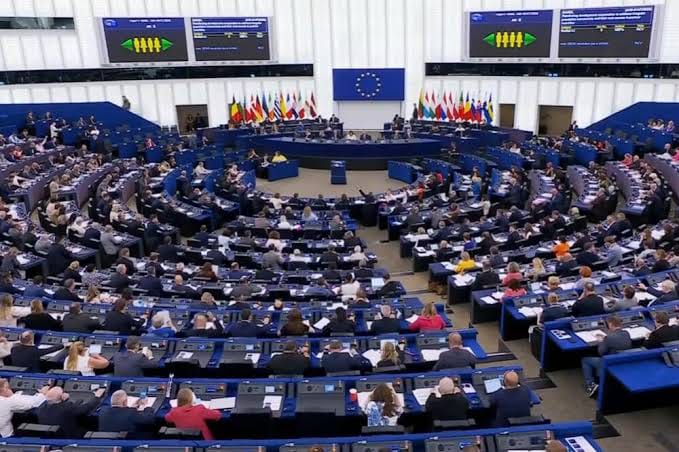

The European Parliament has passed a resolution condemning killing of Christians in Nigeria, and called on the Nigerian government to take decisive action against insecurity in the country, particularly in the Middle Belt region.
The resolution follows growing concern over attacks on Christian communities in the country.
The resolution was passed with overwhelming support, with 501 lawmakers voting in favour, one against and 86 abstaining.
It condemned the killings and urged Nigerian authorities to improve security measures, protect vulnerable communities and ensure that perpetrators of violence are held accountable.
Lawmakers singled out the June 22 attack on Kawel village in Bokkos LGA of Plateau State, where over 20 Christians, including a Pastor, were reportedly killed during a night raid by terrorists.
The parliament urged Nigerian authorities to intensify efforts against terrorist groups operating across the country, including Boko Haram and ISWAP, and demanded independent investigations into violent attacks
It stressed the need to end what it described as a culture of impunity.
The parliament called on the Federal Government to strengthen civilian protection mechanisms, improve early warning systems and invest in conflict prevention across affected regions.
Slovak lawmaker Miriam Lexmann described the Kawel attack as another tragic reminder of escalating violence against Christian populations in parts of Nigeria, noting that the country had become one of the most dangerous places in the world to be a Christian.

