


By Chidinma Olivia Patrick
The Anambra State Government has reaffirmed its commitment to improving mental healthcare, strengthening psychological support services and addressing stigma and discrimination against people living with mental health conditions.
The government made this known during a press briefing to mark the 2026 World Mental Health Day, held on Monday, October 12, at the Commissioner’s Conference Room, Ministry of Health, Jerome Udoji Secretariat, Awka.
The event, themed “Lived Experiences Heard: Real Voices, Real Change,” brought together government officials, mental health professionals, civil society representatives and media practitioners to discuss challenges affecting mental healthcare delivery and the need for more inclusive and accessible services.
The Permanent Secretary of the Ministry of Health, Dr Mrs Obiageli Uchebo, representing the Commissioner for Health, Dr Afam Ben Obidike, called for greater public awareness, early identification of mental health conditions and improved access to professional care.
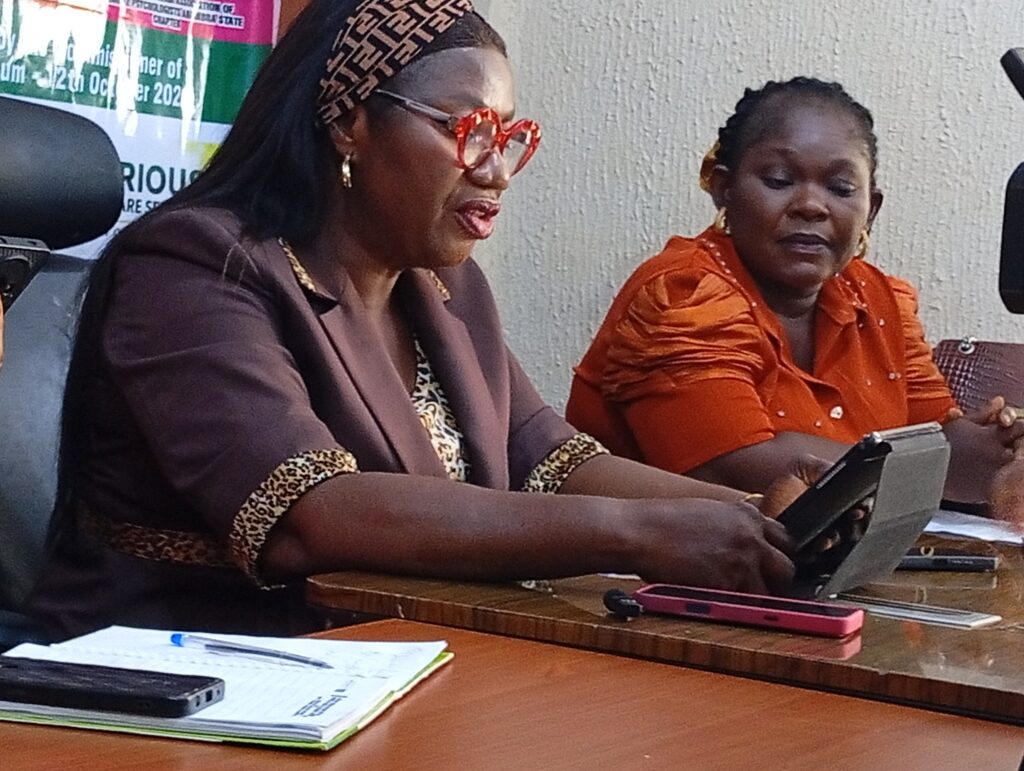
In his address, Obidike said mental health has gone beyond the absence of mental illness, noting that it influences people’s ability to cope with everyday challenges, maintain healthy relationships, work effectively and contribute meaningfully to their communities. He emphasised that mental health conditions are medical issues rather than moral failures, spiritual weaknesses or character flaws, adding that many are treatable, particularly when identified early.
The Commissioner identified depression, anxiety disorders, bipolar disorder, schizophrenia, post-traumatic stress disorder and substance use disorders among common mental health conditions requiring attention. He also highlighted the vulnerability of children, adolescents and young adults to mental health challenges arising from bullying, abuse, academic pressure, unemployment and economic hardship.
Citing the World Health Organisation’s estimate that approximately one in eight people globally lives with a mental disorder, Obidike said poverty, insecurity, substance abuse, stigma, shortages of mental health professionals and limited access to affordable care has continued to compound the burden in Nigeria. He expressed concern over the inhumane treatment some people experiencing mental health conditions endure, including neglect, discrimination and confinement, instead of receiving appropriate professional care.
To illustrate the importance of early intervention and family support, the Commissioner shared the hypothetical story of a 28 year old trader, identified as Obinna, who experienced severe emotional distress after losing goods worth more than 4 million naira in a market fire. According to the account, the trader developed anxiety and sleep difficulties, turned to alcohol and subsequently began using illicit substances.
His family, believing he was experiencing a spiritual attack, confined him in a prayer house for three months. He eventually received professional care following the intervention of a neighbour. Through medical treatment, counselling, family education and rehabilitation support, he gradually stabilised and returned to his business.
The Commissioner said the story underscores the importance of listening without judgement and replacing stigma with understanding, compassion and access to appropriate treatment. He noted that similar situations exist in markets, schools, campuses and communities, where people experiencing psychological distress often need professional support rather than condemnation.
Obidike said the state was strengthening mental healthcare delivery through government-supported initiatives, including the Solution Rehabilitation Centre at Nibo, increased deployment of mental health professionals, the development of a clinical psychologist cadre in the civil service and improvements at the Neuropsychiatric Hospital, Nawfia. He added that the government was working towards integrating mental health screening into primary healthcare and other public health programmes.
According to him, the Ministry also provides a confidential mental health Safe Space and counselling services, while its priorities include suicide prevention, workforce development, community awareness, improved monitoring of services and stronger partnerships with relevant stakeholders.
The Commissioner urged residents experiencing mental health difficulties to seek assistance at primary healthcare centres, general hospitals, the Neuropsychiatric Hospital in Nawfia or the Solution Rehabilitation Centre in Nibo. He encouraged parents and guardians to maintain open communication with young people, take expressions of hopelessness seriously and discourage the use of illicit drugs and harmful substances.
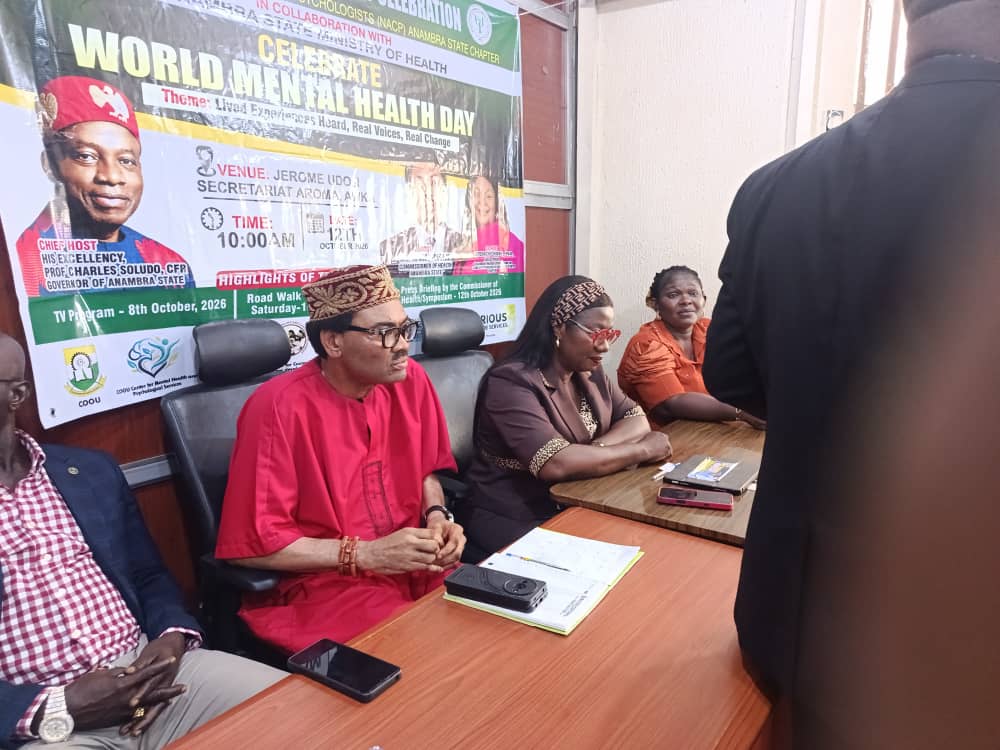
In her address, the Chairman of the Nigerian Association of Clinical Psychologists (NACP), Anambra State Chapter, Dr Chinwe Onyemaechi, called for stronger collaboration between the state government, healthcare professionals, educational institutions, communities and civil society organisations to improve mental health services.
She commended the Ministry of Health for its role in promoting the health and well-being of residents and reaffirmed the association’s commitment to advancing mental health education, professional psychological services, early intervention and community-based support.
Onyemaechi emphasised the need for greater awareness, reduced stigma, accessible psychological services and stronger support for vulnerable groups, including children, adolescents, pregnant women, families, healthcare workers and people living with mental health conditions. She noted that mental well-being influences family stability, educational achievement, workplace productivity, community safety and overall quality of life.
The association further called for practical commitments to improve access to care, protect the dignity of individuals experiencing mental health challenges and ensure that people with lived experience are heard and involved in decisions concerning their treatment.
The Anambra State Mental Health Programme Coordinator, Dr Terry Uche Okeke, who addressed the gathering, said activities organised to commemorate the occasion included a road walk as well as radio and television appearances aimed at raising public awareness of mental health issues. He further urged Ndi Anambra to take their mental well-being seriously, conduct mental health checks, and seek professional assistance when necessary.
Also speaking, Prince Chris Azor, Chairman of the Anambra Civil Society Network (ACSONET), stressed the need to approach mental health from the perspective of fundamental human rights.
Azor called for stakeholders to build on existing initiatives of the Ministry of Health and mobilise additional resources to strengthen mental health interventions. He stressed the importance of collaboration between government institutions and civil society organisations in expanding support for people experiencing mental health challenges.
The 2026 World Mental Health Day campaign highlights the importance of listening to people with lived experience, protecting their rights and dignity, and translating their experiences into better policies, accessible services and lasting improvements in mental healthcare.
The briefing ended with a call for sustained action by government institutions, healthcare professionals, civil society organisations, families and communities to ensure that people experiencing mental health challenges receive appropriate treatment, understanding and support.