

Anambra State government has urged the Federal Government to, as a matter of urgency, address the omission of Anambra State from Nigeria’s National Gas Master Plan.
The State government called for the review of the situation which, it noted, was long overdue, stressing the necessity to include the state in the master plan in the country’s major gas infrastructure to help drive IndustrialisatIon.
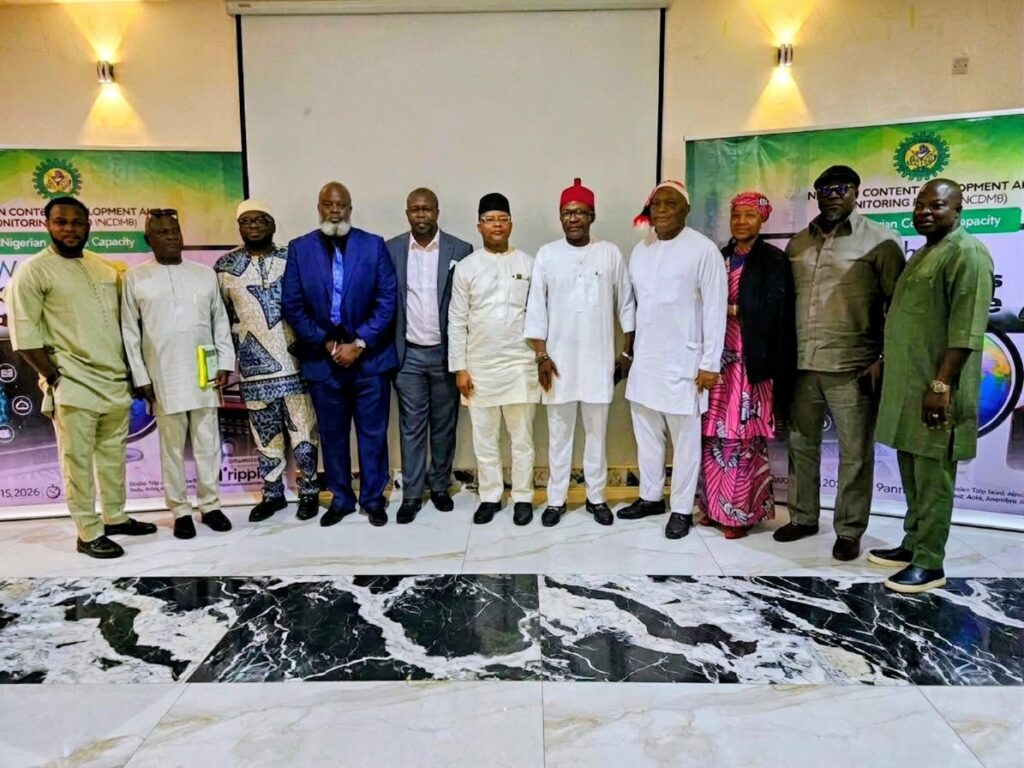
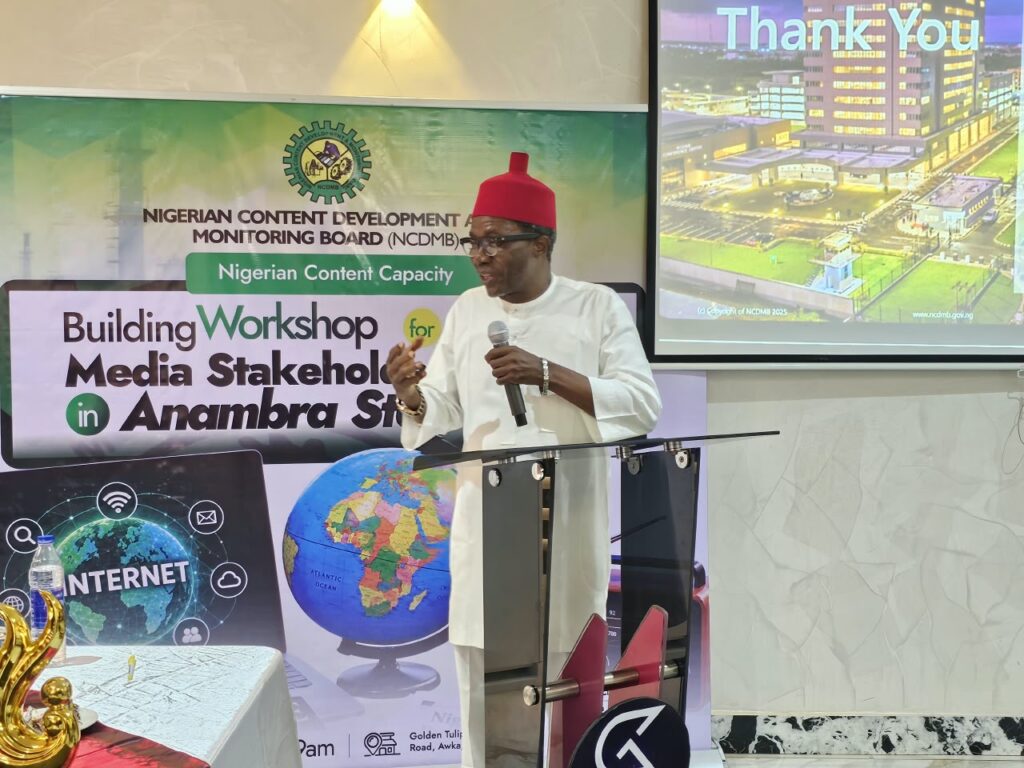
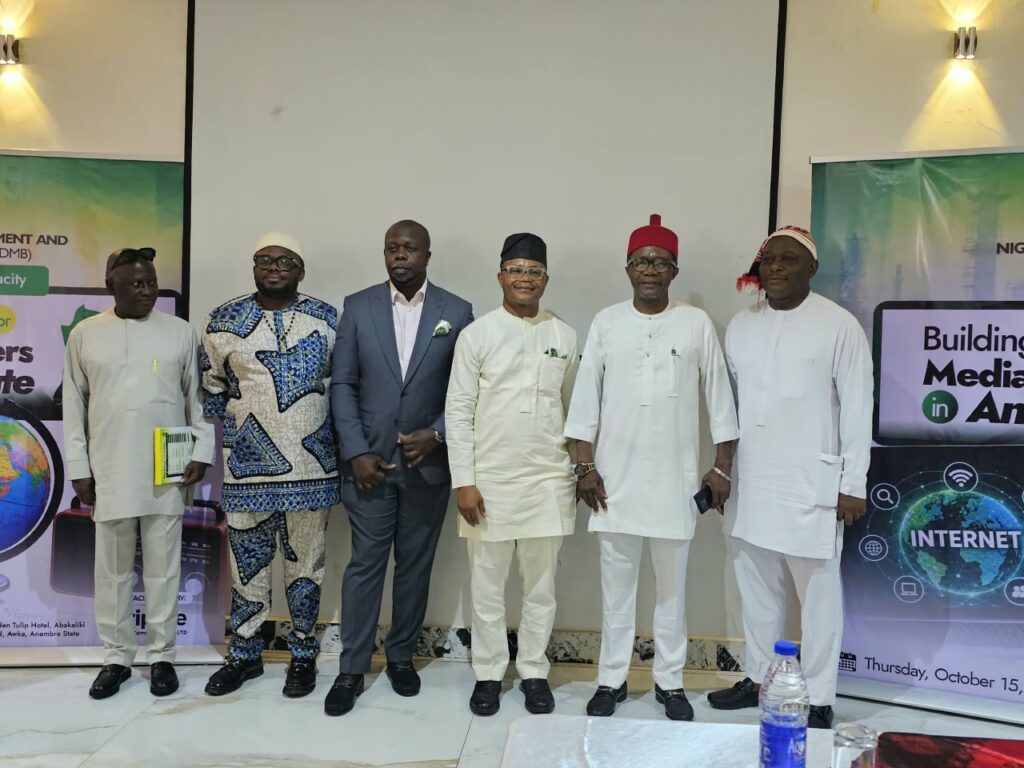
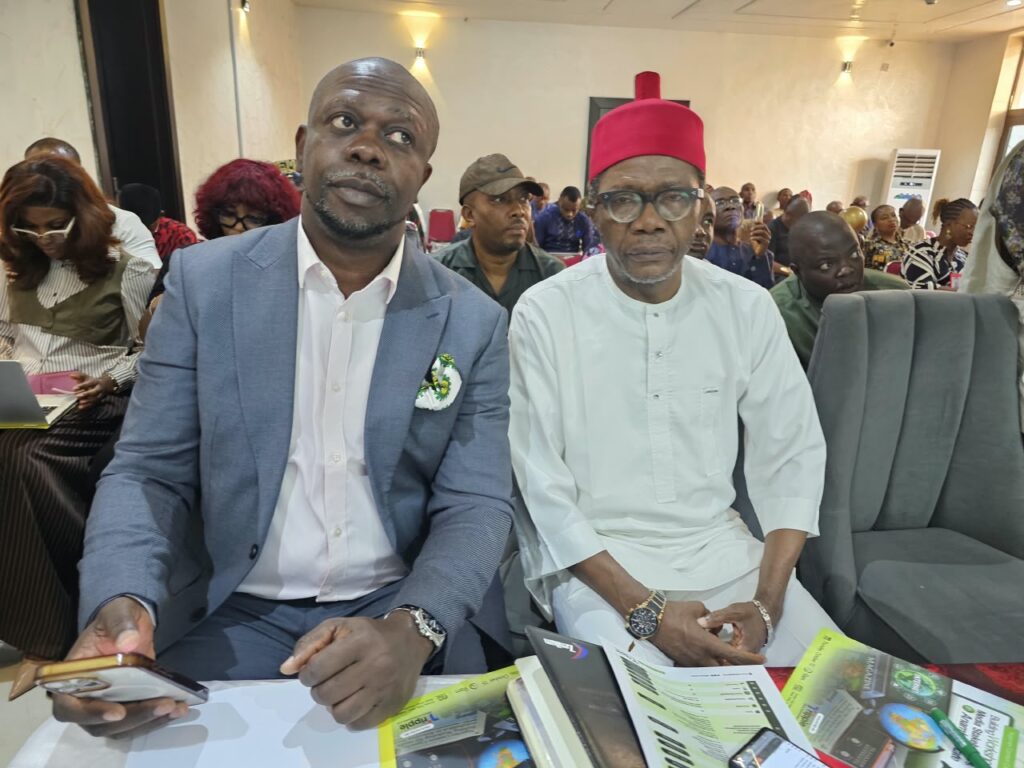
Anambra State Commissioner for Information and Value Reformation, Dr. Law Mefor, made the clarion call in a Goodwill message delivered at the Nigerian Content Capacity Building Workshop for Media Stakeholders in Anambra State, organised by the Nigerian Content Development and Monitoring Board (NCDMB) in Awka, on Thursday, 25th October, 2026.
Dr Mefor who spoke on behalf of the State government, stressed that Anambra state must gain direct access to its vast gas reserves to drive industrialisation and power generation which, he regretted, the state cannot access because it is not part of the nation’s gas master plan, despite being an oil and gas producing state.
The Commissioner could not understand how Anambra, having one of the biggest gas reserves in Nigeria and Africa, has not benefited from its status as an oil-producing state and has not felt the impact of Nigeria’s Gas Master Plan, describing it as unacceptable as the state is expected to drive development, cannot access its own gas.
He noted that with President Bola Tinubu’s signing of the law moving electricity generation, transmission and distribution from the exclusive to the concurrent legislative list, Anambra now has the legal and governance framework, including a constituted Electricity Board, to generate its own power
He, however, described the gas as a critical enabler to light up the state, power its industries and sell excess to other states.
According to him, the Soludo administration is determined to transform Anambra into a smart mega city and a destination of choice to live, work, invest and relax, driven by the private sector, and re-echoed the call for a review of Nigeria’s educational system in line with the future of work, arguing that the country needs quality graduates who are creators and employers of labour, not just job seekers.
Dr Mefor who commended the NCDMB for bringing the capacity-building initiative to the state, noted that the involvement of the media would help create greater awareness about opportunities in the sector.
He further urged the NCDMB to ensure its training programmes produce manpower that can feed industry and support the shift from a consumption to a production economy.
While reacting to the Commissioner’s submissions, the Executive Secretary, Nigeria Content Development and Monitoring Board, NCDMB, Engr Felix Ogbe represented by the Director of Planning, Research and Statistics, Mr Omomehin Ajimijaye, agreed with the Commissioner, the utmost need to include Anambra in the country’s national gas masterplan, urging the State Government to intensify engagement with relevant Federal Government agencies and functionaries urgent review of the plan.
He promised to assist the state government in pushing to ensure that Anambra is accorded its rightful position on the gas infrastructure map.
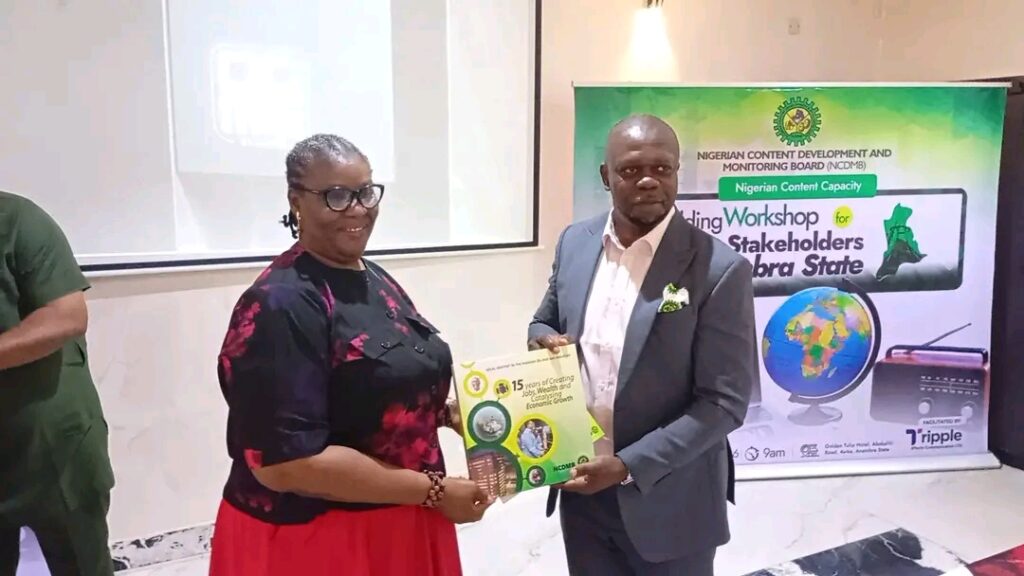
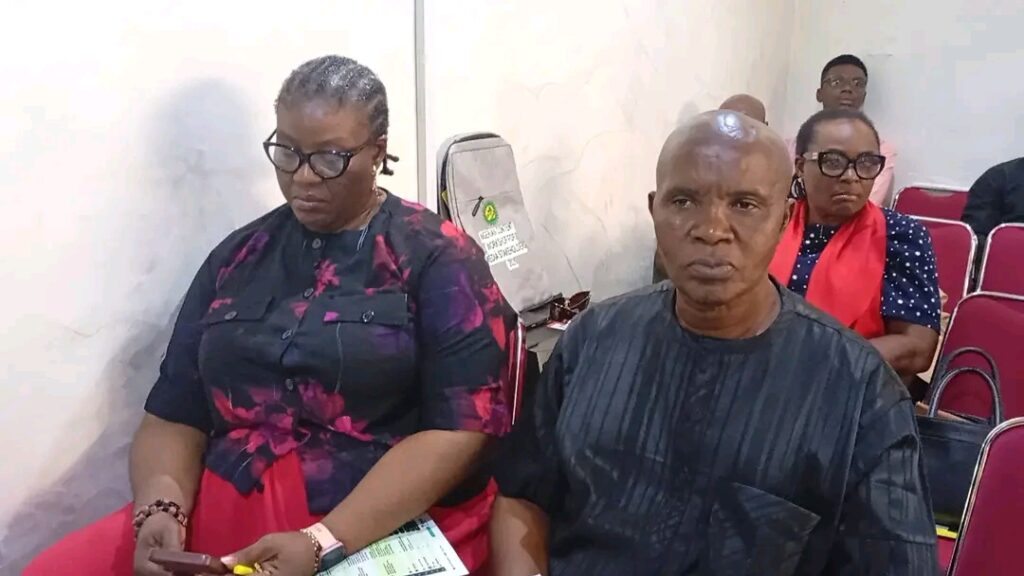
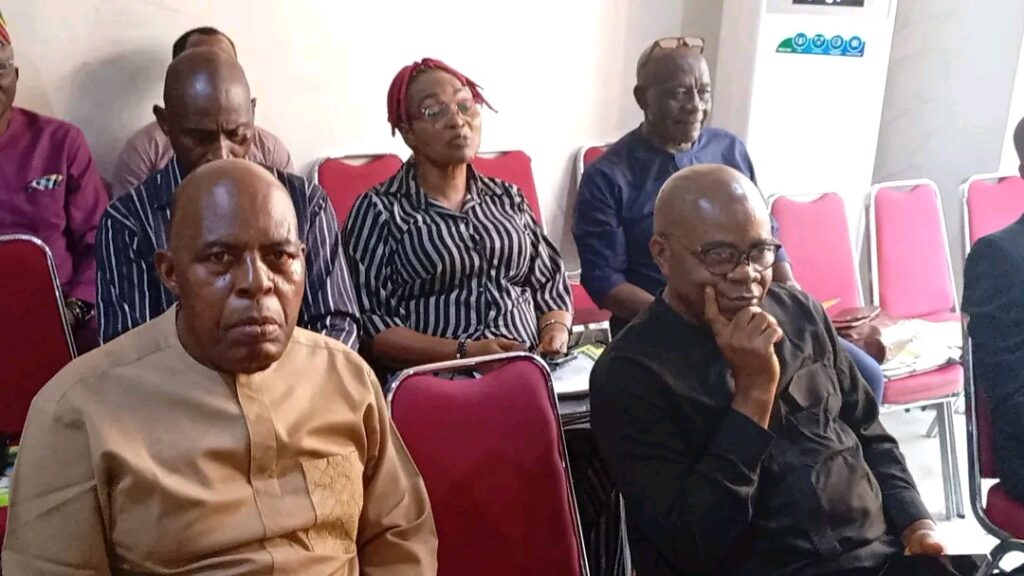
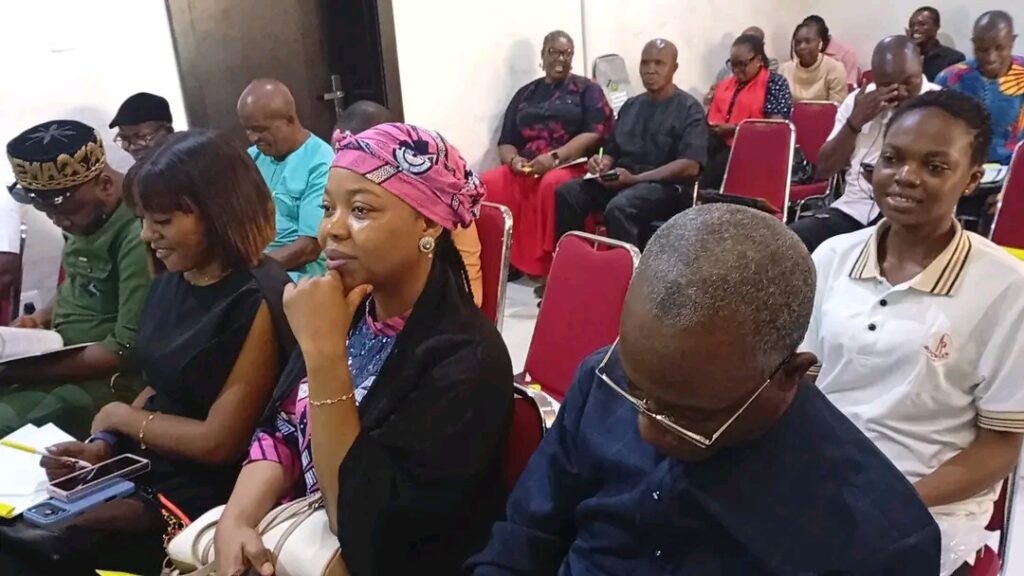
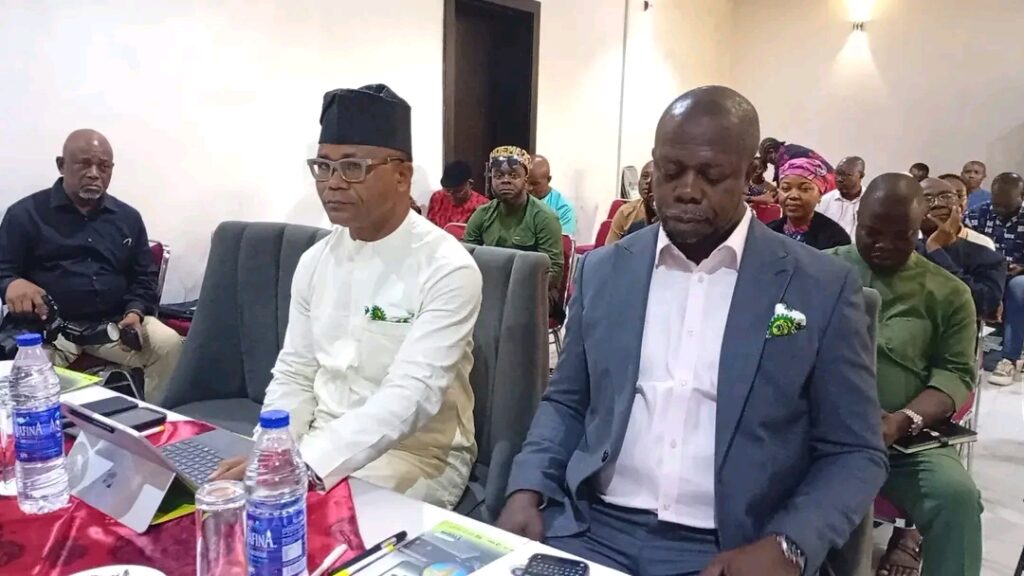
Speaking on the essence of the workshop, Engr Ogbe emphasized the importance of the media and journalists in the implementation of the Nigerian Oil and Gas Industry Content Development (NOGICD) Act popularly referred to as the “Local Content Act” which specifically targets the oil and gas industry, requiring companies to give first consideration to Nigerian independent operators, locally manufactured goods, and indigenous labor.
According to him, the workshop was designed to bridge the gap between the Nigerian Content Development and Monitoring Board – which is the Federal Government agency primarily charged with the implementation of the Local Content Act and the media in achieving the goal of increasing local participation, retention of wealth, and human capacity development in Nigeria’s petroleum sector.
Engr Ogbe called on industry professionals, service companies, and youths to register their businesses and qualifications on the Nigerian Oil and Gas Industry Content Joint Qualification System (NOGICJQS) portal, explaining that the platform the portal acts as the primary recruitment and selection database for job opportunities and contract awards within the oil and gas sector.
In his speech, the General Manager of Corporate Communications of the Board, Dr Obinna Ezeobi, expressed the board’s desire to establish a stronger platform in the South East and collaborate beyond the workshop to improve the quality of media reportage on local content.
He urged journalists in Anambra State to intensify reportage of opportunities and developments in Nigeria’s oil and gas industry, especially in the area of local content.
Dr Ezeobi maintained that Anambra, being a major player in the oil and gas sector given its status as an oil producing state and being home to major players and investors in the oil and gas sector, should not continue to play the second fiddle on the table on issues of local content.
He advocated a strong relationship between journalists and the board to ensure effective implementation of the Nigeria Local Content Act and the Petroleum Industry Act in oil producing communities, adding also that host communities should understand their rights and responsibilities under the acts.
He noted areas of collaboration between the board and the media, gray areas in the implementation of the law that need incisive explanatory and investigative reportage and stated that the continued success of the Nigeria Local Content Law will leverage on the strong participation and interest of the media.
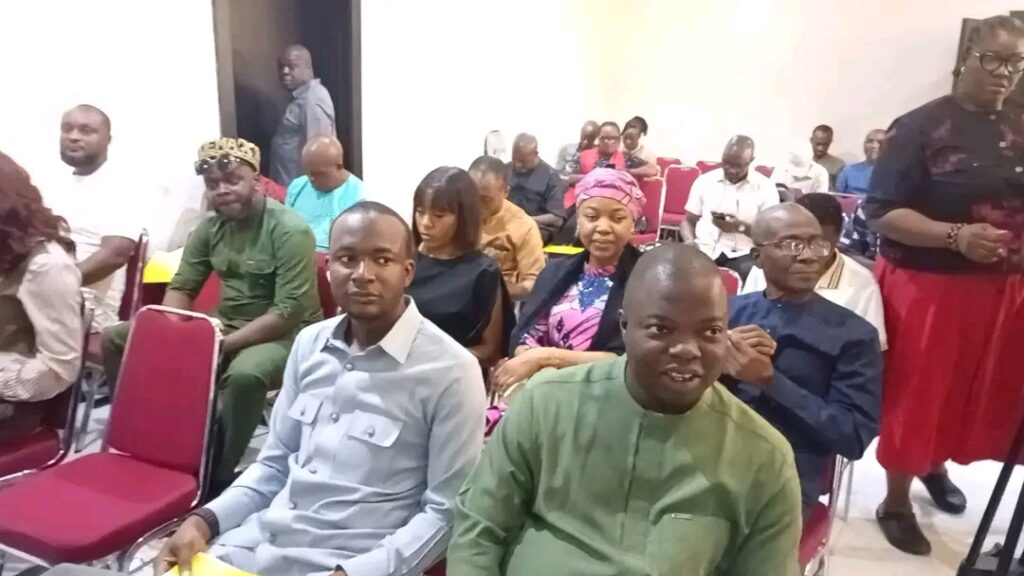
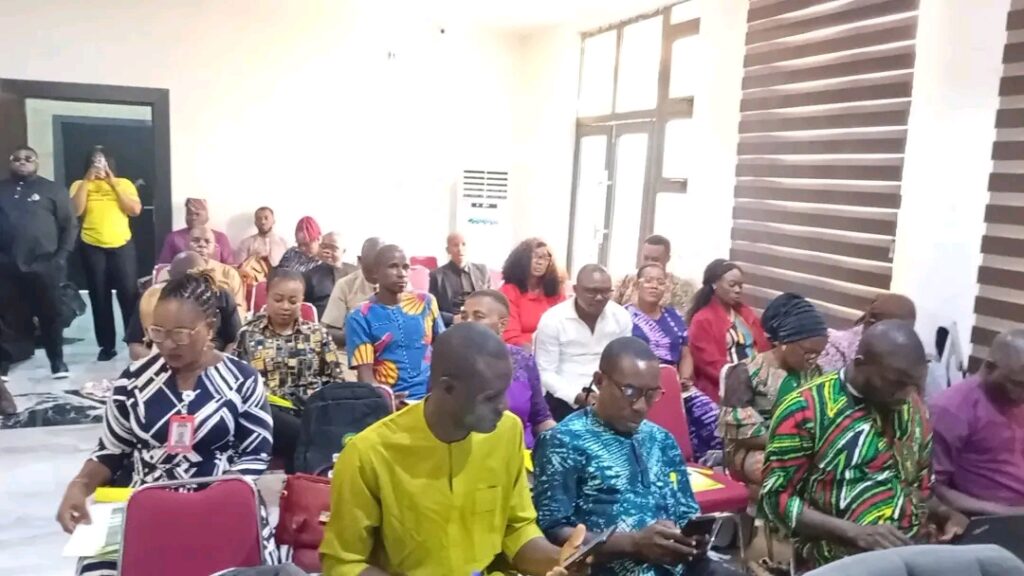
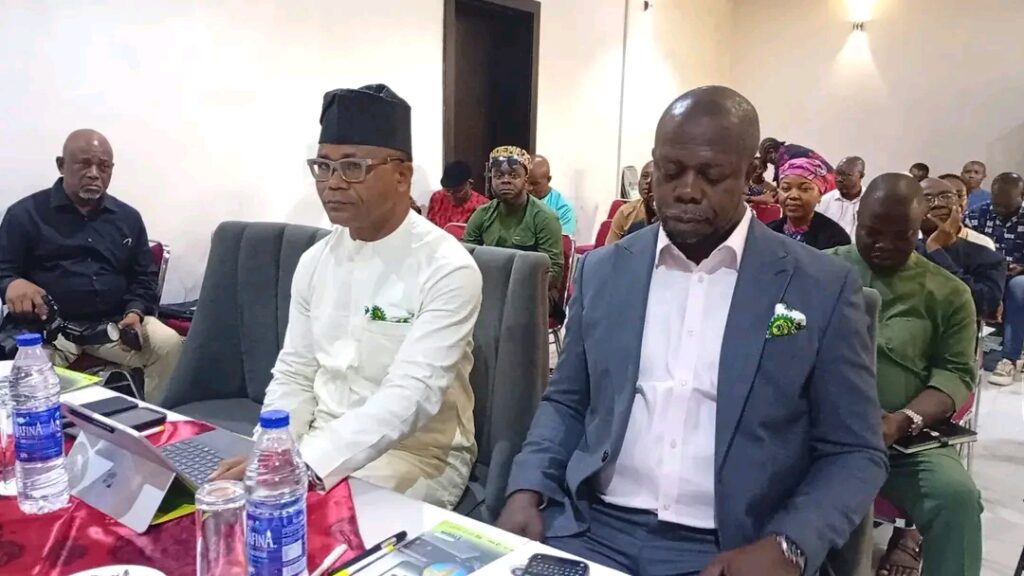
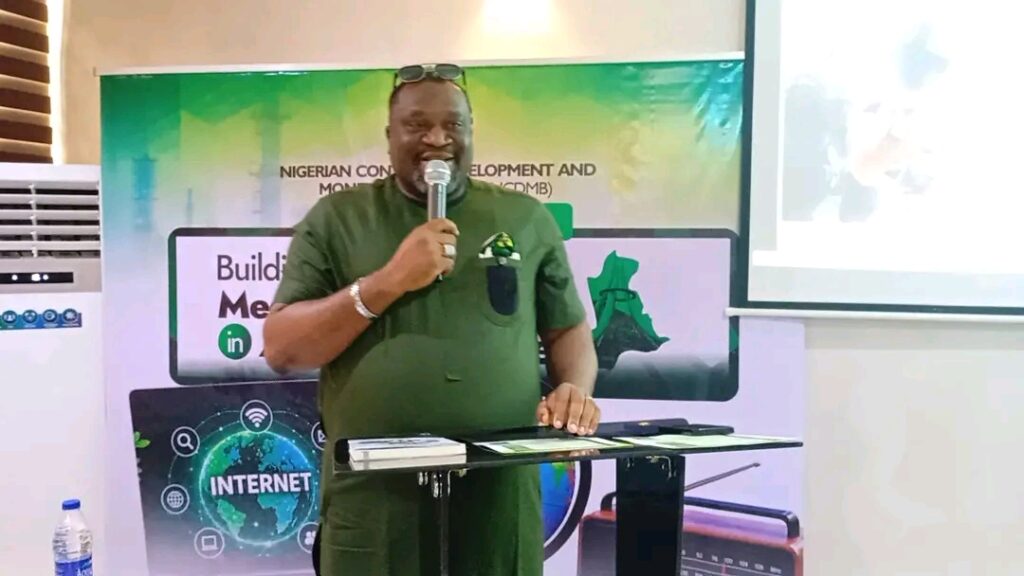
The workshop featured detailed discussions on Nigerian content as catalyst for sustainable community development and how media practitioners can reinvent themselves in the reportage of issues around compliance with Nigerian local content act.
The workshop brought together senior officials of the NCDMB, including the General Manager, Corporate Communications Division, Dr. Obinna Ezeobi; General Manager, Zonal Coordination, Mr. Ifeanyi Ukoha; Assistant Manager, Corporate Communications, Mr. Teddy Bai; and Senior Supervisor, Media Relations, Mr. Ifeanyi Nwokemodo.
Ezeobi informed that the capacity-building programme was initiated in 2018 to equip media stakeholders with better understanding of the Board’s activities and the Nigerian Content Act.
He explained that the programme had previously been held in the Northern and Western parts of the country before being extended to the South-East, with Anambra selected because of its growing significance in Nigeria’s oil and gas industry.
According to him, Anambra has emerged as an oil-producing state, with an initial production capacity of about 3,000 barrels per day, while also hosting major players in the sector.
“Local content requires a lot of local engagement. The media is a key stakeholder for that engagement. The media has played a very important role in the success of the local content project,” Ezeobi said.
He noted that effective communication and stakeholder engagement were critical to the success of government policies, adding that the workshop was designed to improve the quality and impact of local content reportage.
The Director, Planning, Research and Statistics, Mr. Silas Omomehin Ajimijaye, while presenting the Board’s mandate, programmes and achievements on behalf of the Executive Secretary, Engr. Felix Omatsola Ogbe, FNSE, said the NCDMB was mandated to develop local capacity, while maintaining industry standards and to monitor compliance with the Nigerian Oil and Gas Industry Content Development (NOGICD) Act, 2010.
He charged businesses and individuals seeking opportunities in the sector to register on the Nigerian Oil and Gas Industry Content Joint Qualification System (NOGIC JQS) portal, where many oil and gas job opportunities are processed.
Some of the Board’s achievements, according to Ajimijaye include: supporting startups towards commercialisation, issuing Nigerian Content Equipment Certificates, facilitating over 15 million man-hours of training and establishing the $350 million Nigerian Content Intervention Fund.
He added that the Board was also implementing a training programme targeting thousands of Nigerians in 10 key areas considered critical to the sustainability of the oil and gas industry.
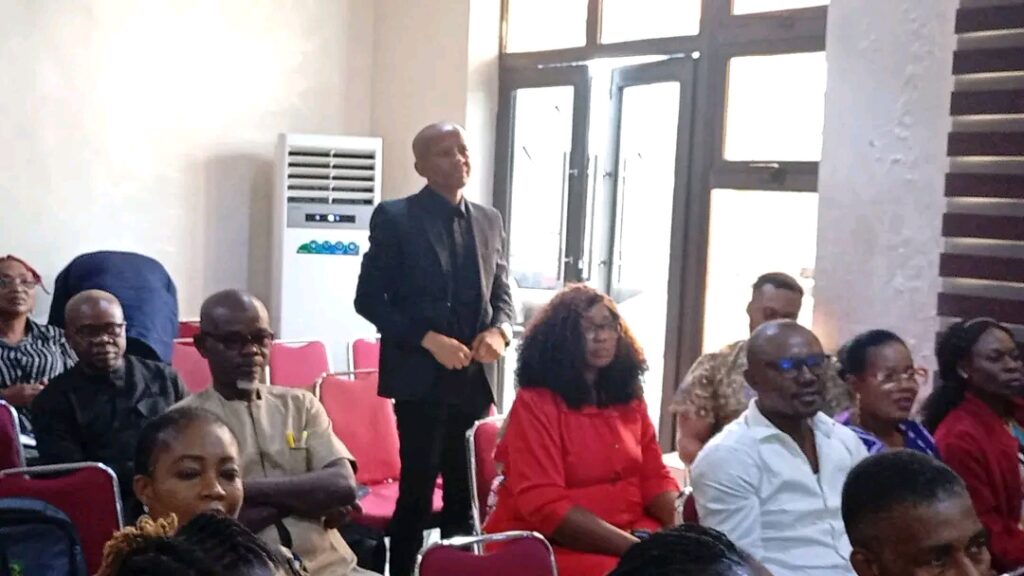
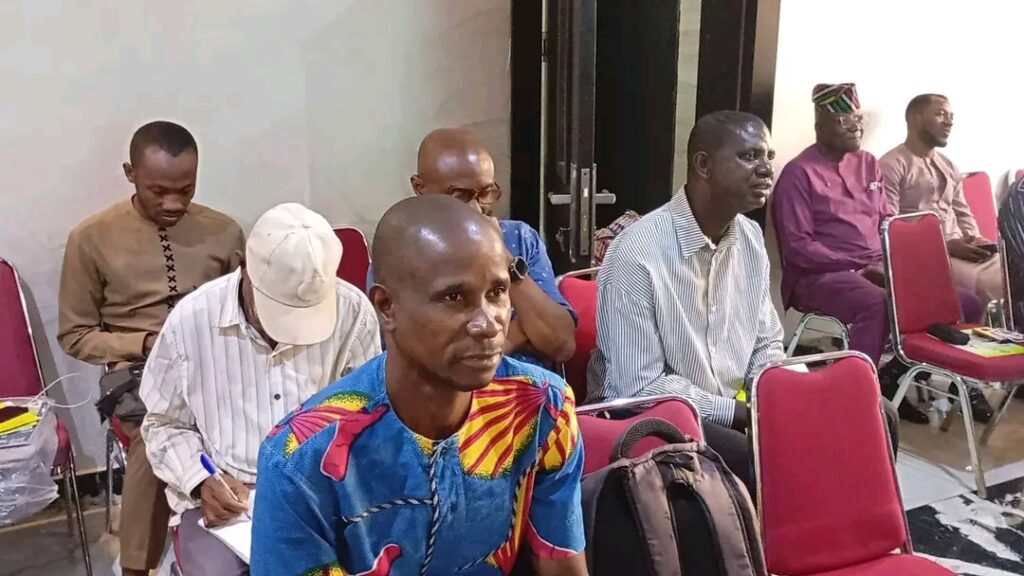
During the interactive session, media gurus from Abuja and Lagos, mentored participants on effective reporting of local content and strategies for competing and winning national and international journalism awards
The omission of Anambra State known to sit on one of Nigeria’s largest natural gas reserves estimated at over 30 trillion cubic feet, and is the third largest oil producing state in the South East, could only be considered inappropriate and an aberration.
It is, therefore, hoped and expected that critical issues raised at the workshop would help draw the attention of the Federal Government to redress and redeem the situation in the interest of all.